From Code to Panels:
My Odyssey in Creating Veridian Resonance
Let's be real: going from a D&D campaign idea to a full 28-page comic book is a massive undertaking. Here's a behind-the-scenes look at my pipeline, from my technical failures to my "hybrid" shift for Chapter 2.
Phase 1: Raw Exploration (Taming the Style)
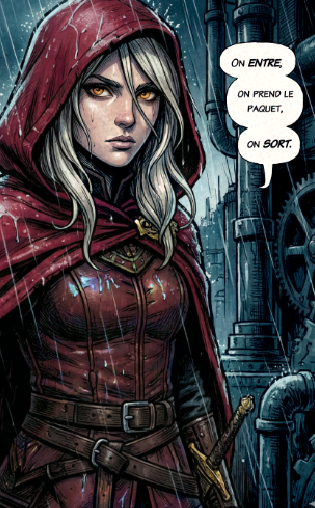
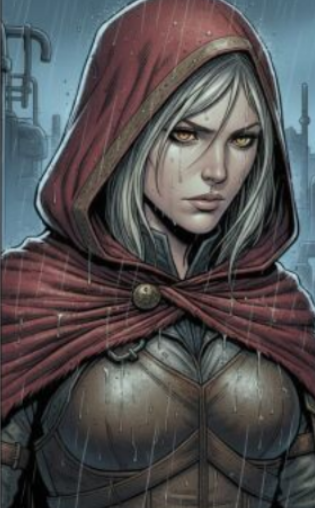
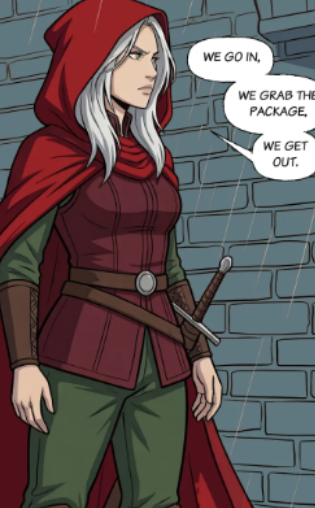
At first, it was the Wild West. I wanted to give a soul to my campaigns, but I kept hitting the wall of the "generic AI" look: too polished, too 3D, lacking character. I tested the entire project in three different styles before finding the right one:
- Grim Dark: An ordeal. Maintaining hatching consistency from one image to another was impossible despite my prompt optimizations. Rejected.
- Marvel Style: Incredible results, but the details killed me. Doing precise inpainting became a full-time job. Result: Too time-consuming.
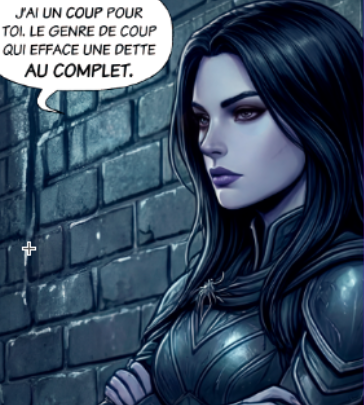
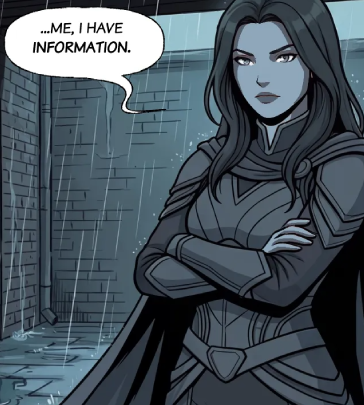
- "Cel-Shaded" Style (Vox Machina / Avatar): The revelation. Sometimes, less is more. I found a stable formula where I can redo the colors in Krita using a precise palette. Result: The revelation.
The technical challenge: I spent sleepless nights on my negative prompts to block the path to realism. That’s when you realize telling the AI what it must not do is just as crucial as the rest.
Phase 2: The Consistency War (Sculpting Kae)
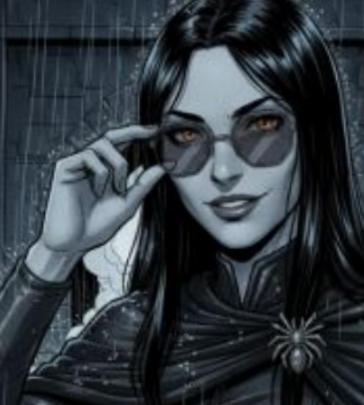
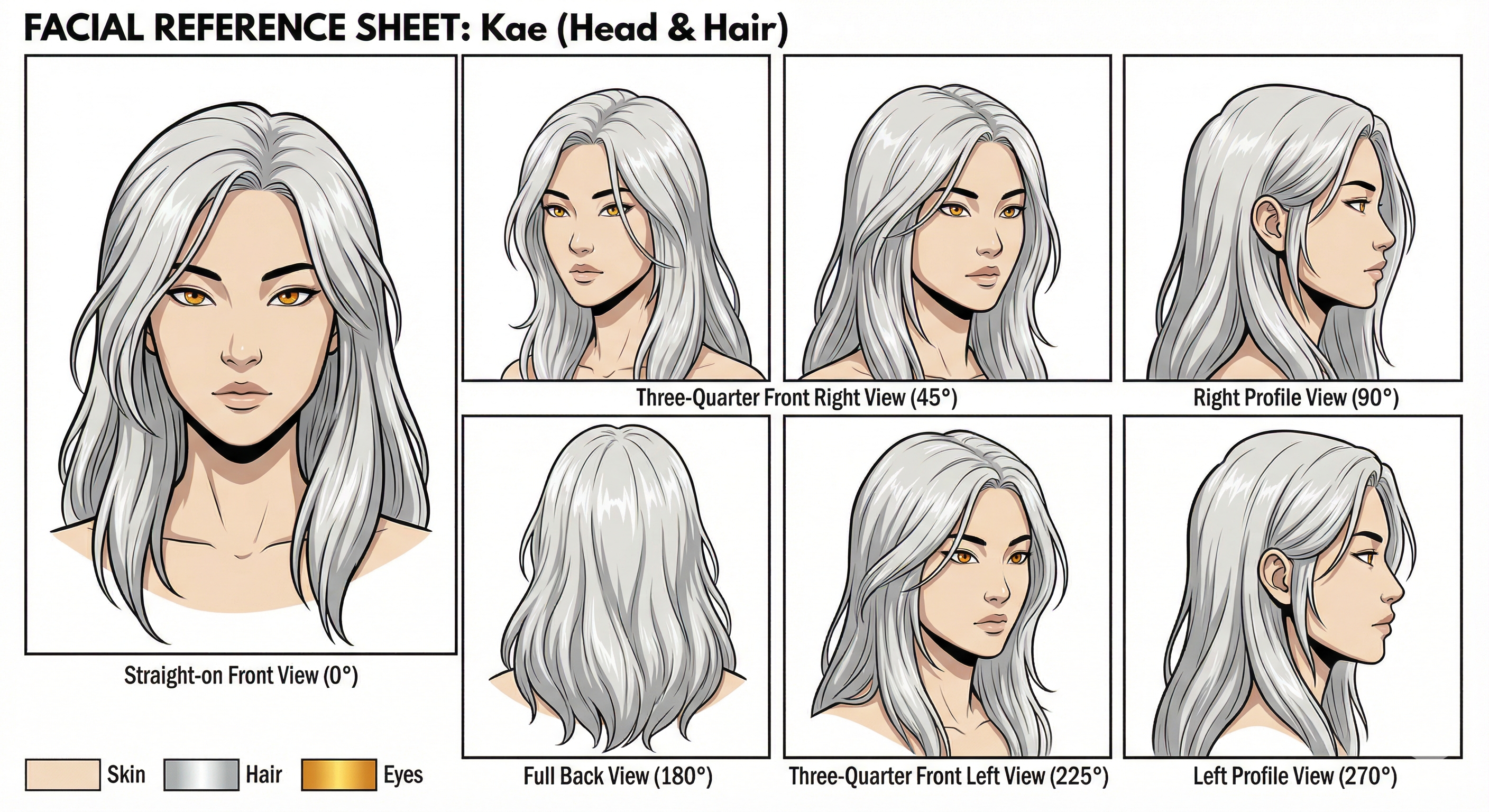
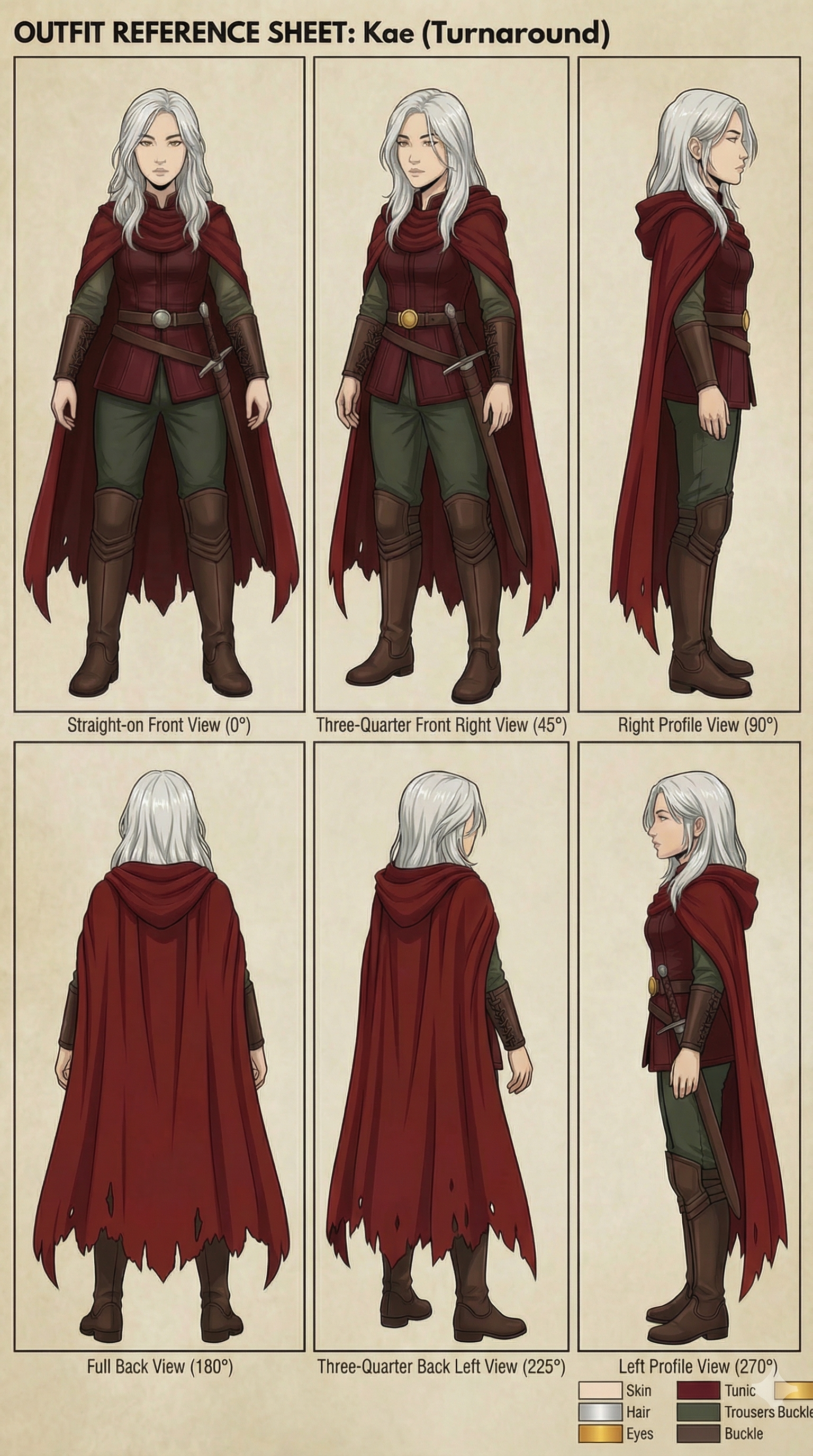
Generating a single beautiful image is easy. Generating Kaelith (Kae to her friends) across 100 panels without her face or hair changing? That’s where the real fight begins.
To lock down her visual DNA, I juggled with Character References and specific trainings. It’s an iterative process: you generate, adjust, scrap, and start over. Today, my formula is pretty flawless thanks to Nano Banana 2.
Phase 3: Post-production and Reality
Once the images were generated, the work was far from over. I spent several weeks in Clip Studio Paint retouching each panel, redoing combat scenes, and ensuring overall consistency.
Initially, I wanted to print the whole thing. But I put that plan aside. I realized that if I hold a physical book in my hands, I want every line to come from me. That's what led to the big shift...
Phase 4: The Wall and Hybridization (The Chapter 2 Shift)
Volume 1 was my proof of concept. But AI has its limits: the subtlety of acting and the dynamism of combat quickly hit a wall.
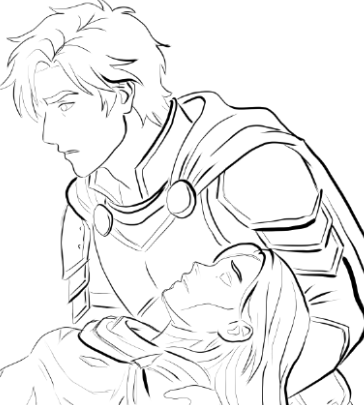
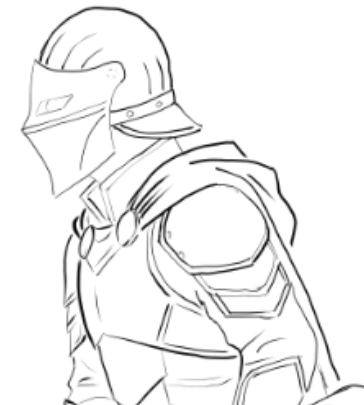
The decision: I brought out the graphics tablet. For Chapter 2, I am drawing every stroke myself. It won't be as fast, but with modern tools (3D models for perspective, CSP assets, etc.), I know I can do it.
Workflow 2.0: AI becomes my assistant to study backgrounds and composition. For the rest, I'm taking back control. The final lines, anatomy, and Kae's expressions are hand-inked on vector layers.
That’s my vision: AI as a production assistant, but the human for the soul and the finishing touches.